
Is Google Dorking And SQLi Dead In 2026?
The short answer: absolutely not. But the game has changed. Those still relying on keyword shitters and recycled dork lists are finding fewer results while creative researchers using SEO planners and deep niche analysis continue to thrive.
- Every year, we hear the same question: "Is Google dorking dead?" And every year, the answer remains the same — it's not dead, it's evolved. In 2026, Google dorking combined with SQL injection testing remains one of the most effective methods for security researchers and penetration testers. But success now requires strategy, creativity, and a deeper understanding of your target niche.
The Evolution of Google Dorking
Let's address the elephant in the room: yes, Google dorking has become more competitive. As more security researchers, bug bounty hunters, and unfortunately bad actors discovered this technique, the low-hanging fruit started disappearing. The generic dorks that worked effortlessly in 2018 now return mostly patched sites or honeypots.
But here's what most people miss: this increased competition has actually made the technique more valuable, not less. The researchers who adapted by developing creative, niche-specific approaches are finding better targets than ever before.
Why "Keyword Shitters" Don't Cut It Anymore
If you're still using random keyword generators (commonly called "keyword shitters" in the community) or downloading the same recycled dork lists from forums, you're competing with thousands of others using the exact same approach. These tools generate massive lists of generic queries that have been burned through countless times.
Generic dorks - Overused and mostly return patched sitesRecycled lists - Shared thousands of times across forumsNo context - Missing geographic and industry targetingOutdated patterns - Based on old CMS versions and frameworks
The Modern Approach: Strategic Dorking
The pentesters and bug bounty hunters finding success in 2026 have embraced a fundamentally different approach. Instead of blasting generic dorks, they're conducting deep research into their target niches using professional tools.
SEO Planners & Keyword Research
Tools like Google Keyword Planner, Ahrefs, and SEMrush aren't just for marketers. Smart researchers use them to discover industry-specific terminology, regional variations, and emerging trends that translate into highly targeted dorks.
Google Trends Analysis
Google Trends reveals what people are searching for in specific countries and timeframes. A spike in searches for a particular CMS or technology in a specific region often indicates rapid adoption — and rapid adoption usually means less mature security practices.
Country-Specific Targeting
Different regions favor different technologies. Understanding that certain countries predominantly use specific CMS platforms, e-commerce solutions, or government portal systems allows you to craft hyper-targeted dorks that your competition hasn't thought of.
PHP in 2025/2026: Still Everywhere
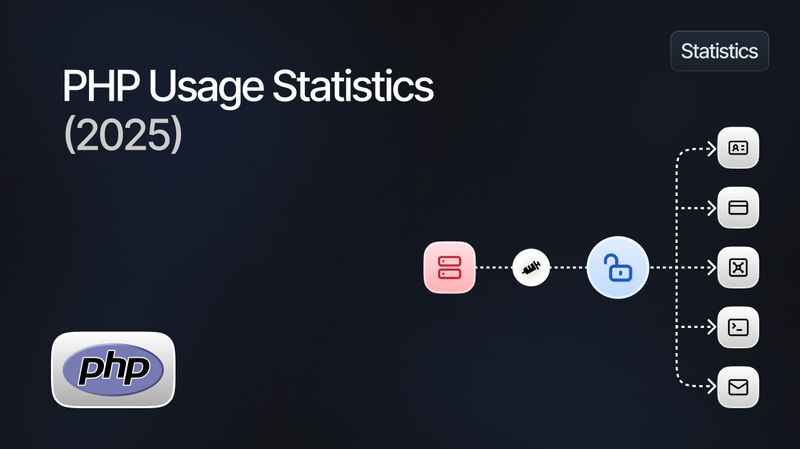
One of the biggest misconceptions is that PHP is dying and therefore SQLi vulnerabilities are becoming rare. The reality couldn't be more different:
~75% of all websites with a known server-side language still use PHPWordPress alone powers over 43% of all websites globallyLegacy systems running PHP 5.x and early PHP 7.x are still widespreadCustom PHP applications in government, education, and healthcare sectors often lack modern security
The combination of PHP's market dominance and the slow adoption of security best practices means SQL injection vulnerabilities remain incredibly common. Many organizations still run applications built in 2010-2015 without proper input validation, prepared statements, or WAF protection.
The Power of Creativity
What separates successful researchers from the crowd in 2026 is creativity. Instead of copying dorks, they're creating them based on deep understanding of their target environment.
Think Like Your Target
What software do small businesses in Thailand use for inventory management? What CMS are popular in South America? What e-commerce platforms dominate in Eastern Europe? These questions lead to unique, untouched dork opportunities.
Language Matters
Dorks in English are oversaturated. Crafting dorks in local languages — searching for error messages in Spanish, Portuguese, Thai, or Indonesian — opens up entirely new pools of targets that English-only researchers never find.
Industry Deep Dives
Understanding sector-specific applications is gold. Hiring platforms, admin panels, content management systems — each industry has its preferred tools, and many have poor security hygiene.
Why This Combination Still Works in 2026
Google dorking combined with SQL injection testing works because it solves a fundamental problem: finding vulnerable targets at scale. No matter how many security advisories are published or how many patches are released, the reality is:
Organizations don't patch quickly — the average time to patch critical vulnerabilities is still measured in monthsSmall businesses can't afford security teams — millions of SMBs run outdated, vulnerable applicationsLegacy systems persist — critical infrastructure often runs on technology that's a decade oldNew vulnerable applications appear daily — developers continue making the same SQLi mistakes
Level Up Your Game with DorkPlus
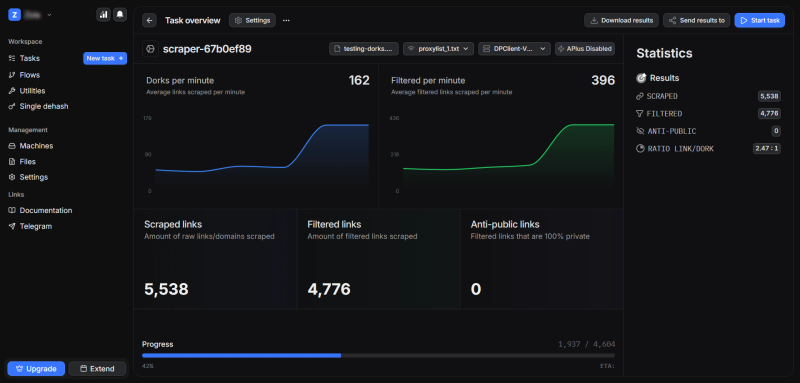
DorkPlus is built for the modern dorking methodology. Instead of relying on outdated techniques, it provides the infrastructure to execute creative, targeted campaigns efficiently.
High-speed parsing - Check 10-20k dorks per minute so you can test creative hypotheses quicklyCountry targeting - Filter results by geographic region for niche-specific campaignsIntegrated vulnerability scanner - Move from discovery to validation instantlyBuilt-in keyword scraper - Research your niche without leaving the platformDatabase dumper - Complete the workflow from dorking to extraction
The tool handles the technical heavy lifting so you can focus on what matters: developing creative, strategic approaches that your competition hasn't thought of yet.
The Bottom Line
Google dorking and SQL injection are absolutely not dead in 2026. What's dead is the lazy approach — copying lists, using keyword generators, and hoping for the best. The technique has matured, and success now requires:
Strategic thinking over brute forceDeep niche research using professional SEO toolsCreative targeting based on geographic and industry trendsEfficient tooling that lets you test hypotheses quickly
With PHP still powering the vast majority of the web and security hygiene remaining poor across most organizations, the opportunity for skilled researchers has never been greater. The question isn't whether dorking works — it's whether you're willing to put in the creative work to make it work for you.
Shop nowThe blog posts on this website are fictional and theoretical. They exist for educational purposes only and should never be treated as instructions to perform illegal or unauthorized activities.
The scenarios described are hypothetical and do not promote or encourage malicious or harmful actions. They reflect a professional penetration tester's perspective, assuming proper permission and legal authorization to test a website, company, or network.
Our posts are not a call to action, and we do not condone illegal activity. Readers are responsible for complying with applicable laws and regulations.
By reading our posts, you acknowledge these terms. If you are not a professional or authorized individual, do not attempt to replicate any techniques described here.
Our content is for education only, and we strongly advise against using any information or techniques for malicious purposes.
Read next
Web Crawler vs Search Engine Scraper: Which One Should You Use?
Google Dorks for OSINT: An Advanced Research Guide
SQL Injection Methods Explained: Time, Boolean, Error, Union and More
MD5, SHA1, SHA256 Hash Cracking: Complete Guide for Pentesters
Credential Stuffing and AntiPublic Checkers: What Security Professionals Need to Know
Google Dork Operators Cheat Sheet 2026: The Complete Guide

DorkPlus has been around for over three years. It started as a Google proxyless scraper and grew into an all-in-one pentesting solution, evolving week after week.
Copyright © 2026 DorkPlus
All systems operational